
Lynette's CML story
After mistaking her symptoms for stress and age, Lynette was diagnosed with chronic myeloid leukaemia at 60. More than ten years on, she’s learned to adapt to life with fatigue and treatment side effects — and now, as a Leukaemia Care Buddy Volunteer, she’s using her experience to support others through their own leukaemia journeys.
26 Jun 2026 - Leukaemia Care
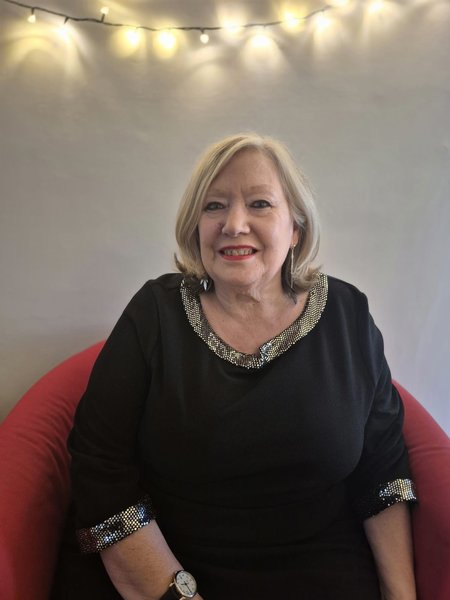
Their story in brief
I was 60 when I was diagnosed with chronic myeloid leukaemia (CML), and although it’s now been over a decade, I still remember those first few months vividly. Looking back, the signs were there, I was constantly tired, far more than usual, but I put it down to working hard and leading a busy life. I was also struggling with bad back pain, but again, I brushed it off as one of those things that happens when you’re getting older and overdoing it.
The symptoms came on gradually, and I didn’t think I was seriously unwell. Then, around Christmas 2013, things took a turn. I developed a toothache and ended up having a wisdom tooth removed on Boxing Day. It should have been a simple procedure, but my mouth wouldn’t heal properly and kept bleeding. The dentist thought it was just an infection, but a few days later, I was rushed into hospital because the bleeding wouldn’t stop. That’s when doctors started to investigate further.
When I was told I had CML, I was in complete shock. I hadn’t imagined anything like this – I thought I was just tired. But as strange as it sounds, once the doctor explained my diagnosis, my first feeling was relief. I knew that “chronic” was better than “acute,” and at least now I knew what was wrong. Still, it was overwhelming trying to take in all the new information. The hardest part of all was breaking the news to my children.
During the first fortnight I met the clinical nurses. As a family we found them invaluable for support and information, not just for myself but for my children too. They ensured that we all understood what was happening and had confidence in my treatment. I feel it is so important to have a clinical nurse to support you with your treatment and care. I’m was so lucky to be looked after by Professor Apperley and her team at Hammersmith Hospital where the standard of clinical nursing is extremely high.
From diagnosis, treatment and beyond, I had some of the best support around me. My children, their partners, my close friends, and my mother all rallied around. What surprised me most was how many people who weren’t even close friends showed such kindness — it meant a great deal to me.
Treatment began almost straight away. I had leukapheresis to help with the thickened blood and then started medication under the care of my professor and clinical nurse. They were fantastic. Even though the side effects had been explained to me, it was still a big adjustment. I had to stop working, which brought financial worries and a real sense of losing who I was. The fatigue was constant, and I could no longer do the things I once did so easily. I also lost confidence in myself — something I hadn’t expected to happen.
Over time, things settled, and for a while, my medication worked well. But this past year has been difficult. My medication stopped working, and the replacement caused serious side effects. Thankfully, I’m now on a new treatment, and my blood results are the best they’ve ever been. Physically, I still deal with muscle pain and fatigue, and emotionally I sometimes struggle with anxiety and low confidence. But I do my best to carry on “as normal.” I plan my days carefully, try not to overdo things (though that’s easier said than done!), and most importantly, I listen to my body — something I never used to do.
My diagnosis has completely changed how I view life. I’m far more aware of what truly matters. I try to avoid negativity and focus on what — and who — brings joy. My family, one close friend in particular, and others who check in on me have been my lifeline.
Leukaemia Care has played a huge role in my journey too. Their resources and information were invaluable when I was first diagnosed — they helped me understand what was happening and gave me the confidence to ask questions. Later, when I started working with Leukaemia Care, I realised just how much more there was to learn. Speaking to the staff was such a comfort; I remember thinking, “These people are on my side.” Their kindness and patient-focused approach made such a difference.
I’m now a Buddy Volunteer for Leukaemia Care, supporting others who are newly diagnosed. I always encourage them to reach out to the charity and build a good relationship with their clinical nurse. I tell them to ask questions, lean on those who care, and not to try to go through it alone.
If there’s one thing I wish more people understood about leukaemia, it’s that CML is cancer — it’s not curable, but it is treatable. The side effects of treatment can have a real impact on daily life, and fatigue is so much more than just feeling tired. Please be patient and understanding with those who are living with it.
CML may have changed what I can do, but it hasn’t changed who I am. I’ve learned to slow down, to value time with the people I love, and to be grateful for every good day. Living with leukaemia isn’t easy — but with the right support, understanding, and determination, it is possible to find your way forward.
More Stories
Chronic myeloid leukaemia (CML)
Chronic myeloid leukaemia (CML) is a slow-growing type of blood cancer. Find out what it …
Treatment for chronic myeloid leukaemia (CML)
Treatment for chronic myeloid leukaemia (CML) is usually very effective. The main treatment is a …
Buddy support
Our free Buddy Support Service matches you with a trained volunteer who has lived with …
Want to share your story?
Your experience could help others going through a similar journey.
Get in Touch