

Nikkesha's Myelofibrosis story
After multiple trips to the hospital and a blocked gall bladder, a haematologist noticed that Nikkesha’s platelet count wasn’t right, and she was given her diagnosis of myelofibrosis (MF). Despite being told a prognosis of around 5 years, the birth of her daughter unexpectedly led to Nikkesha’s platelet count returning to normal and her achieving remission. Here, Nikkesha tells us her story.
26 Jun 2026 - Leukaemia Care
Their story in brief
I remember the day I was diagnosed as if it was yesterday.
It was a weekday; I remember being particularly stressed caring for my three children. As I vent my stresses to my friend, I felt a sharp, sudden pain in my stomach. It felt as if my stomach was expanding; I could feel my heart pounding as the pain spread across my chest. Convinced I was having a heart attack, we called an ambulance. Once I had been seen pumped with morphine, and they could not find a cause, I was sent home.
By the next day, I was back in hospital in agony. I was about to be discharged again before my incredible haematologist stopped the doctor, looked at me and said, “she is not going home, and I'm not happy with her platelet count”. That day the haematologist saved my life.
It turned out I had a blocked gall bladder, and that was what was causing such excruciating pain, but something about my blood was still not right.
I spent three weeks in the hospital while they tried to bring down my platelet count and help my digestive issues, but nothing would work. I was advised to get better control of my thyroid disorder and return for an appointment with haematology. I was told I likely had essential thrombocythemia (ET) and that this diagnosis was only life-threatening if I didn’t take the medication they provided, but generally, the prognosis was promising, and I would go on to live a normal life.
I was quite nervous as I'd heard my blood was as thick as custard with a platelet count of 2000, but also relieved that they had caught this before I had a heart attack and I finally had an explanation for why my feet had been burning all that time. Now I had aspirin, and the pain had disappeared.
At this time in my life, I had left an abusive relationship and strict religion.
I was rediscovering myself and had met the love of my life. I began attending my local Buddhist centre, losing weight and embracing a healthy lifestyle. I was looking better than I had in many years, and despite my health concerns, I was feeling better, too.
I was heavily into holistic therapies and medicine and felt better than I ever had. I returned to work and began to rebuild my life, which had seen nothing but adversity since getting married at 17. Armed with wisdom, health, new friendships and the love I my life, I was ready to take on anything, or was I?
As the day of my appointment got closer, I felt more nervous. At this point, I learned ET was a blood cancer, but I felt reassured that it wasn’t life-threatening with medication, so I had a little comfort.
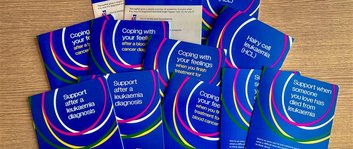
I remember sitting in the waiting room alone and looking around. All I could see around me were cancer support leaflets, sad adverts on the TV and I could feel the nervous tension in the air. The nurses were busy walking around with papers in their hands while giving patients reassuring smiles and help. There was a juxtaposition of joy and devastation.
It was such a strange feeling, but the voice in the back of my head kept telling me I would be ok; I just needed to take the medication as the doctor said and I could continue life.
My name was called. It was a doctor I hadn’t seen before. He appeared quite calm, professional and experienced; he greeted me with a handshake and a slight smile before pointing towards the nurse in the room and explaining who she was.
As the doctor read what was on his computer, I felt an uncomfortable silence, likely exacerbated by my nerves which had built up in the waiting area. I smiled at the nurse to my right who was also silent. After what felt too long, I asked, “so is it essential thrombocythaemia?” feeling the eeriness around me.
The doctor kind of huffed and said, “no” and went silent again, but his energy spoke loud and clear. “Am I dying?” I asked; the silence grew, and the nurse looked just as anxious as I did. You see, the doctor was not prepared to give this diagnosis during this clinic, which is usually for less serious issues. Had he been aware, there would have been additional support staff and a longer slot for my appointment.
The fear consumed me; the room appeared to become a tunnel, and I was suddenly sucked into a nightmare. It was as if I was watching myself break down from above my body. The silence was deafening. I put my head on my knees to avoid the look of concern in the doctor's eyes, but this only made it more real.
I asked, “what is it?” and the doctor replied, “it's myelofibrosis”. Not knowing what it was and not wanting to know what it was I asked, “are there people who have this who live long lives, like normal lives till they are 70+?” and the doctor looked at me and shook his head.
I put my head back on my knees, gripping my hair. The doctor then stated that I would have approximately four to five years before I would be in a lot of pain and begin to deteriorate. Sensing my despair, he went on to let me know that there were other things that could be done, including a bone marrow transplant, but that it wouldn’t be simple.
More silence filled the air as the nurse and doctor watched me crying into my knees. Suddenly, jolting me from my tunnel of doom, the doctor said, “Nikkesha, I'm sorry, but I'm going to have to finish this appointment. We had not prepared for a myelofibrosis diagnosis, and we didn’t have the time we usually would. I am going to have to book you in for another day”. With the look of shock that someone who had just been told they have five years to live would have on their face, he said, “I will try and get you in for Wednesday”, and with that, I walked out of the office into a whole new world, a whole new life and a whole new nightmare.
In tears, I ran back out of the clinic, and I immediately called my mom.
The rest of that day was a blur. I lay in my bed surrounded by family, already feeling like the same palliative care clients I cared for at work and asking my eldest sister if all this was real. I was still in shock.
Then began the medication, and the bone marrow specialist was full of hope, but it turned out the medication wasn’t working. I became familiar with the nursing staff, and now, the waiting room that felt initially like a dimly lit limbo waiting room dressed in colourful flyers has become a place of safety.
I was now one of the patients who was known by the first name and smiled at.
Blood tests became a lifestyle, and platelet results became a fun game of “has the medication worked this time?”. I became the cheeky patient who asked for coffee and nudged my favourite nurses to check out the hot consultant. As I write this, I smile and think I can't believe I actually miss these days.
As time passed, I began adapting to my new (short) life. My goal was to live long enough to see my youngest daughter get to college. She was around eight at the time. I quit work, travelled, and spent a lot of savings making cool memories and having fun. My life was now dedicated to creating memories. I found myself backing away from my children and allowing their father to take care of their emotional needs. I needed them to be more dependent on him than me, hoping that would be comforting for them once I had passed.
While it hurt to emotionally distance myself from my children, it made the cancer and thoughts of my death easier to bear. I also decided I would not tell my children about the cancer until I had to, as I did not want to ruin their childhood. This is something I am so glad I did.
I knew I wanted to spend my last years with the love of my life. He had no children of his own, but we made the choice to have a baby as he wanted to have a part of us with him when I left, and I wanted to have a baby. We got pregnant two years after my diagnosis.
There was a 50/50 chance I would go full term, and there is very little research on the outcomes of patients with myelofibrosis giving birth. My pregnancy was full of blood tests and appointments, and I spent most of my time going back and forth from the hospital. I had a wonderful and caring haematologist who took care of me from beginning to end.
As the weeks went by, we noticed that although I was no longer able to take medication, my platelet levels were getting lower and lower. This took us by surprise every time I went back for a blood test, and by the time I had my daughter, my platelets went from 2000 to a normal 450. It was a miracle.
After birth, we watched closely, and my platelets remained stable. In fact, here we are five years later, and my platelets and blood are still normal. My baby saved my life. To this day, we have no answers as to why, what, how, but I am cancer free. I am in remission.
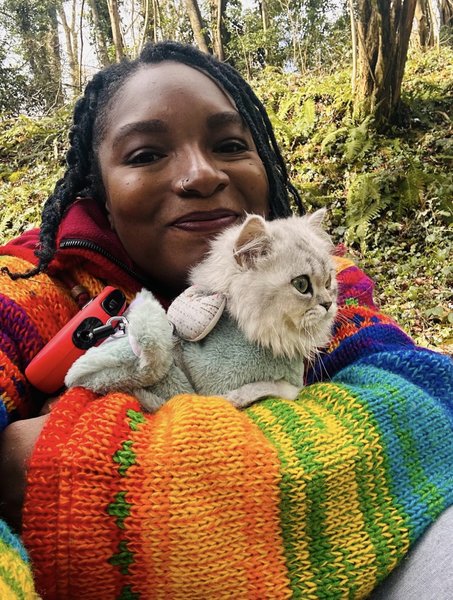
I am now rebuilding my life. We moved to a beautiful countryside town, and my partner and I are happy and in love. I had intense trauma therapy, which helped me process all the events in my life, including my diagnosis. With the support of my therapist, I returned to college and got my Level 2 and 3 in Counselling. I am now doing a bachelor’s degree in psychology and counselling and aim to work with those who have experienced trauma.
Want to share your story?
Your experience could help others going through a similar journey.
Get in Touch